Feel Better In Five: Micro-Habits With Big Payoffs
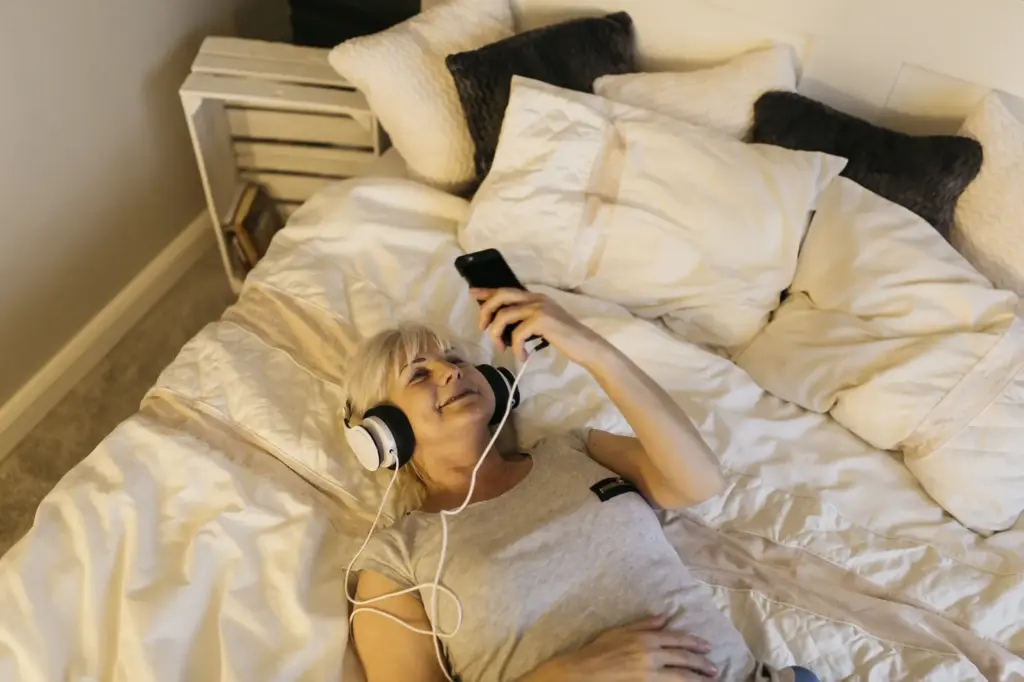

Welcome! Today we explore micro-habits that boost wellbeing in five minutes or less, proving that meaningful change can start with tiny, doable steps. Expect science-backed tactics, warm stories from real people, and playful prompts you can try immediately. Share what you test in the comments, invite a friend to join you this week, and subscribe for fresh, practical nudges that fit a busy life without demanding perfection or huge blocks of time.

Start Smaller, Win Bigger

Big goals often collapse under their own weight, while tiny wins slip past resistance and quietly compound. By deliberately lowering friction, celebrating microscopic progress, and connecting actions to identity, you create momentum that lasts. We will use approachable steps you can complete during a kettle boil, elevator ride, or calendar transition, turning ordinary moments into reliable progress. Try one idea today, report back on your experience, and notice how quickly a small shift reshapes confidence, energy, and consistency throughout your day.

Rapid Mood Lifts You Can Trust

Short, deliberate breaks can reset stress physiology remarkably fast. Gentle breathwork steadies your heart rate variability, sunlight calibrates circadian rhythms, and light movement releases feel-good neurochemicals. Instead of waiting for motivation, use quick actions that predictably change how your body feels. These experiments fit between meetings or while a video loads. Notice which one brightens your mood most, jot a quick note about the context, and repeat it tomorrow. Patterns will emerge, giving you a personal, portable toolkit for steadier days.

Box Breathing Anywhere

Inhale for four, hold for four, exhale for four, hold for four. Repeat for two to five minutes, and watch your nervous system downshift from frantic to focused. This steady cadence can reduce pre-meeting jitters, smooth difficult conversations, and invite perspective. Try it before opening a stressful email, then rate your calm on a ten-point scale. Many readers report fewer spirals and clearer thinking afterward. Share your before-and-after rating to help others see how quickly calm can return.

Chase A Sunbeam

Two to five minutes of outdoor light, even on a cloudy day, can lift alertness and reinforce sleep timing later. Step onto a balcony, face a window, or stroll to the corner. Natural light signals your brain it is time to be awake, energizing you without more caffeine. Pair this with one grateful observation to multiply the effect. Post a short note about where you found your light today, and tag a friend to join your tiny ritual tomorrow morning.

Thirty-Second Shakeout

Animals shake tension off after a scare; you can too. Stand, unlock your knees, bounce gently, wiggle shoulders, hands, and jaw. Add a playful exhale, and notice the instant warmth in your limbs and face. Micro-movement boosts circulation and interrupts rumination quickly. Javier, a shy analyst, used this before presentations and felt oddly lighter. Pick a five-song playlist with one high-energy track for emergencies, and tell us which song helped you shake stress loose in record time today.

Focus And Flow, On Demand

Procrastination often dissolves the moment you begin. Short, protected bursts invite entry, build trust with yourself, and prove complex tasks can be approached in friendly slices. By reducing digital clutter, clarifying a single next step, and moving your body briefly, you prime the brain for concentrated work. This section offers small rituals you can run before any focused block. Test one right now, notice how your mind responds within five minutes, and report your favorite tactic so others can benefit.

Sixty-Second Gratitude Text

Send a quick message that names a concrete thing someone did and how it helped you. For example, “That note you sent last week kept me going during Thursday’s crunch; thank you.” Specificity multiplies sincerity. Many readers report an immediate lift, even if replies arrive later. Set a recurring reminder, write one message now, and breathe while you hit send. Share anonymized wording ideas with our community to help others find brave, kind language in under a minute.

Compliment Out Loud

Practice spotting effort, not just outcomes. Tell a colleague you appreciated their clear agenda, or thank a barista for remembering your name. Genuine compliments create small ripples that return surprisingly quickly. Keep it grounded, brief, and real. This habit also trains your mind to scan for what is working, reducing negativity bias. Try one in the next hour, then note the recipient’s facial change and your own. Report back what you observed, and consider making this your daily commute ritual.

Micro Check-In With Yourself

Name your current emotion in a single honest phrase, place a hand on your chest, and take three slower breaths. If helpful, use the RAIN approach: Recognize, Allow, Investigate, Nurture. This two-minute practice redirects spiraling thoughts toward care. Add one compassionate question: “What would help for five minutes?” Write the answer as your next micro-step. Share your one-word feeling in the comments, offer encouragement to another reader, and notice how shared language lightens private burdens almost immediately.

Body Basics, Done Quickly

Tiny physiological tune-ups make everything else easier. Hydration steadies energy, posture eases strain, and intentional screen breaks protect focus. None require equipment or complicated plans. By designing gentle triggers into your day, you can accumulate meaningful benefits without disrupting your schedule. Start with whichever feels delightfully easy. Celebrate each completion, not intensity. Then compound progress by repeating it tomorrow at the same time. Tell us which quick adjustment created the biggest payoff, and we will feature creative reader tactics in future posts.

Water Within Reach

Place a filled bottle within arm’s length and take a slow sip whenever you switch tasks. Add lemon or a pinch of salt if taste helps. Tally sips with paper dots or a simple note. Readers often report steadier afternoon energy from this tiny ritual. Keep the bottle visible, not buried. Refill during bio breaks to avoid extra trips. Post a photo of your chosen vessel, share your favorite flavor twist, and invite a coworker to join the hydration nudge today.

Posture Reset Cue

Set a subtle reminder—calendar ping or sticky note—that says “tall and relaxed.” On cue, plant your feet, lengthen through the crown, soften shoulders, and breathe into your ribs for five slow cycles. Imagine carrying your head like a stack of books. This reduces neck strain and quiets stress signals. Pair it with opening your laptop or returning from the printer. Track how your back feels by evening. Tell us which wording landed best and whether a physical anchor improved consistency.

Evenings That Restore

Short, calming closures help your brain release the day and welcome rest. When nights feel smoother, mornings become friendlier, too. Tiny rituals that reduce decision fatigue, tame visual noise, and preview tomorrow can transform sleep quality without elaborate routines. Choose one action below, keep it kind, and make it repeatable. Notice the subtle peace that follows. Share your favorite wind-down move, invite someone to try it with you, and celebrate sustainable ease over all-or-nothing perfection this entire week.

Tiny Tidy Loop

Pick one surface—nightstand, coffee table, or kitchen counter—and set a three-minute timer. Return items home, recycle papers, wipe if needed. Visual order signals completion to your brain, quieting background stress. Make it playful: turn on a short song and race kindly. Families can treat this as a group game. The goal is not museum-level clean, just less chaos. Share a before-and-after description, note how your breathing changes afterward, and consider repeating the same loop each evening for effortless calm.

Digital Sunset Preview

Before closing screens, review tomorrow’s first step and write it on a paper note. Place devices outside the bedroom or on do-not-disturb. This five-minute preview reduces late-night planning loops and settles attention. If anxiety spikes, add three slow exhales and a kindness phrase to yourself. You will likely fall asleep faster and wake with direction. Tell us your written first step, where you parked your phone, and whether your mind felt quieter within minutes of putting the plan to bed.

Lay Out Tomorrow’s First Move

Stage the next action: set a glass by the sink, place running shoes by the door, or open the document you will edit. Physical cues remove morning decision friction, protecting fragile willpower. Keep it unimpressive and obvious. Imagine your sleepy self thanking you. Readers often report smoother starts and fewer snooze-button regrets. Try this tonight, then message us in the morning with one sentence about how it felt to begin. Your simple prep might become someone else’s favorite ritual.